
California Farmhouse · Chapter II
Making the Old Porch Belong
A laundry room that once required going outside, and the architectural work that finally brought it into the house.
Return to the project bookDoing the laundry should not require leaving the house.
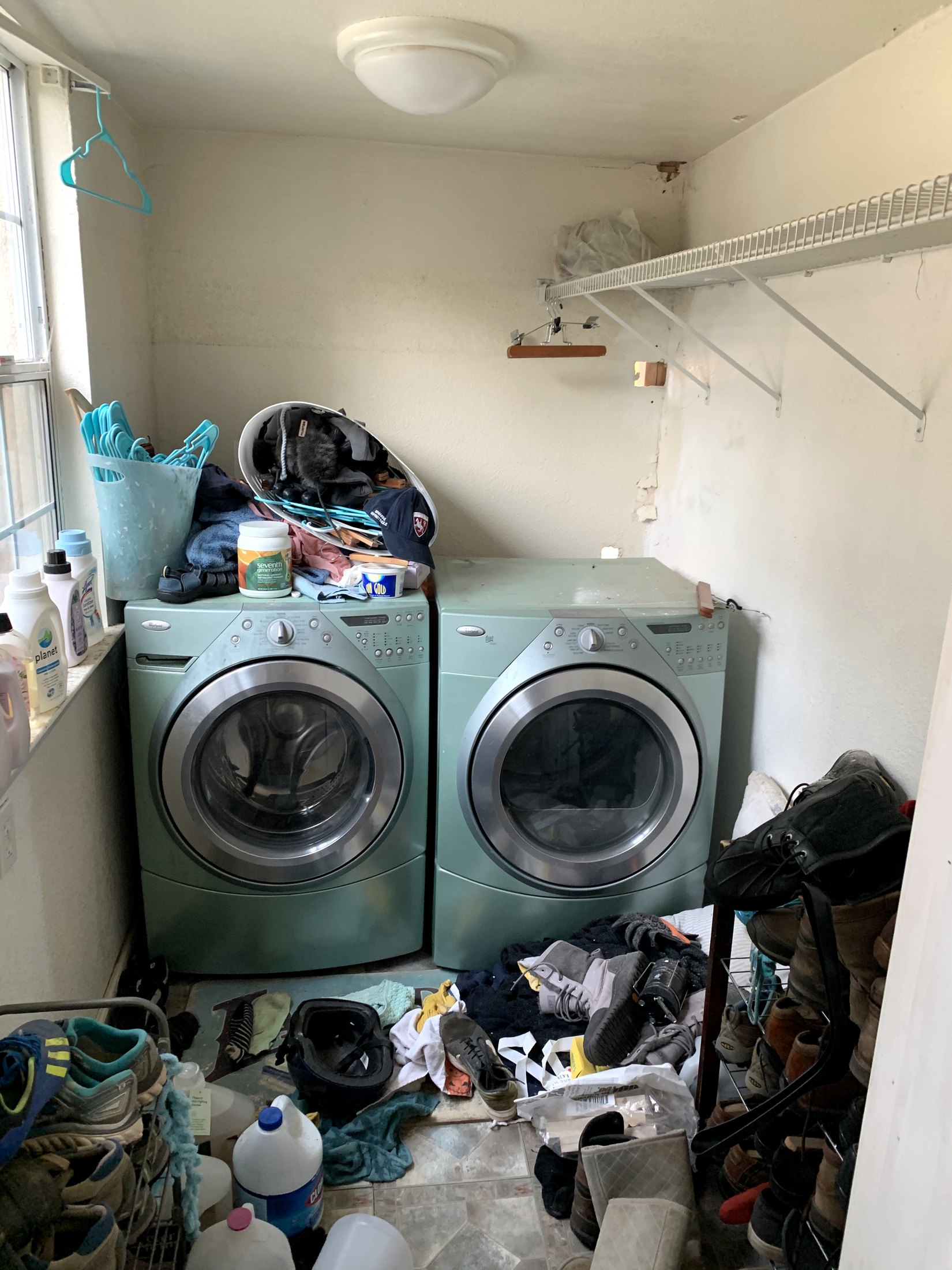
Before the renovation, reaching this room meant stepping out of the conditioned farmhouse, crossing an exterior porch, and entering through another door. The arrangement may have reflected an earlier chapter of the building, but it no longer made sense for everyday family life.
The room itself had become unattractive and disorganized. No one wanted to spend time there, so shoes and dirty clothes were dropped inside and everyone hurried away, leaving the chaos behind. That experience reinforced something I have seen repeatedly: when a hardworking room becomes a place people enjoy using, it becomes easier to care for and keep well.
Correcting the Route
Enclosing the porch gained conditioned square footage, but the more important change was circulation. The former outdoor passage became a true entry and a logical connection among the laundry, pantry, dining room, and the rest of the farmhouse.
Once that route changed, every threshold and wall had to feel intentional. The same hand-built millwork language continues from the entry, around the pantry doors, and toward the dining room. It takes parts of the house that developed at different times and gives them a shared rhythm.
Read the full entry and wall-paneling chapter
A Working Room Can Still Be Considered
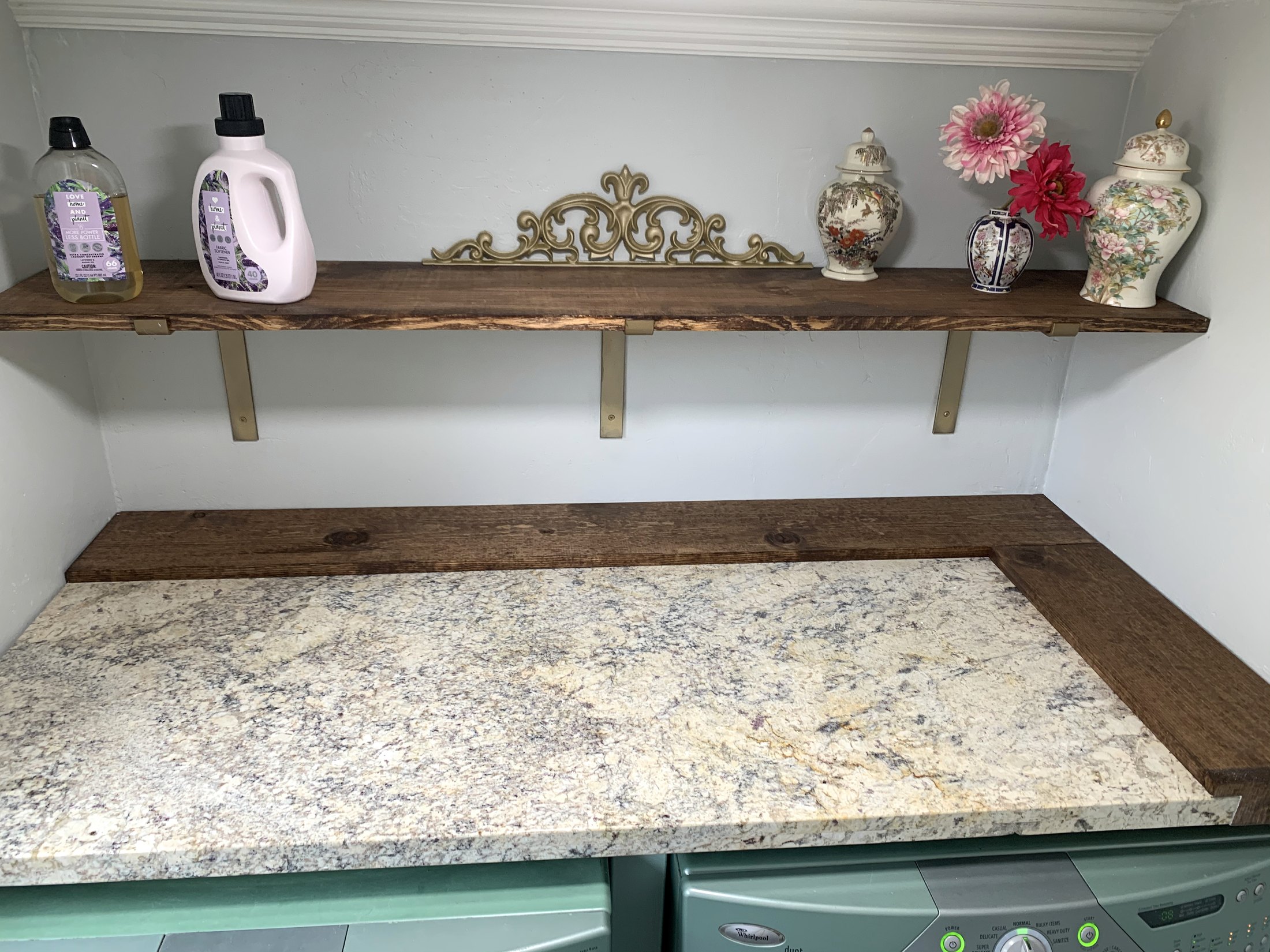
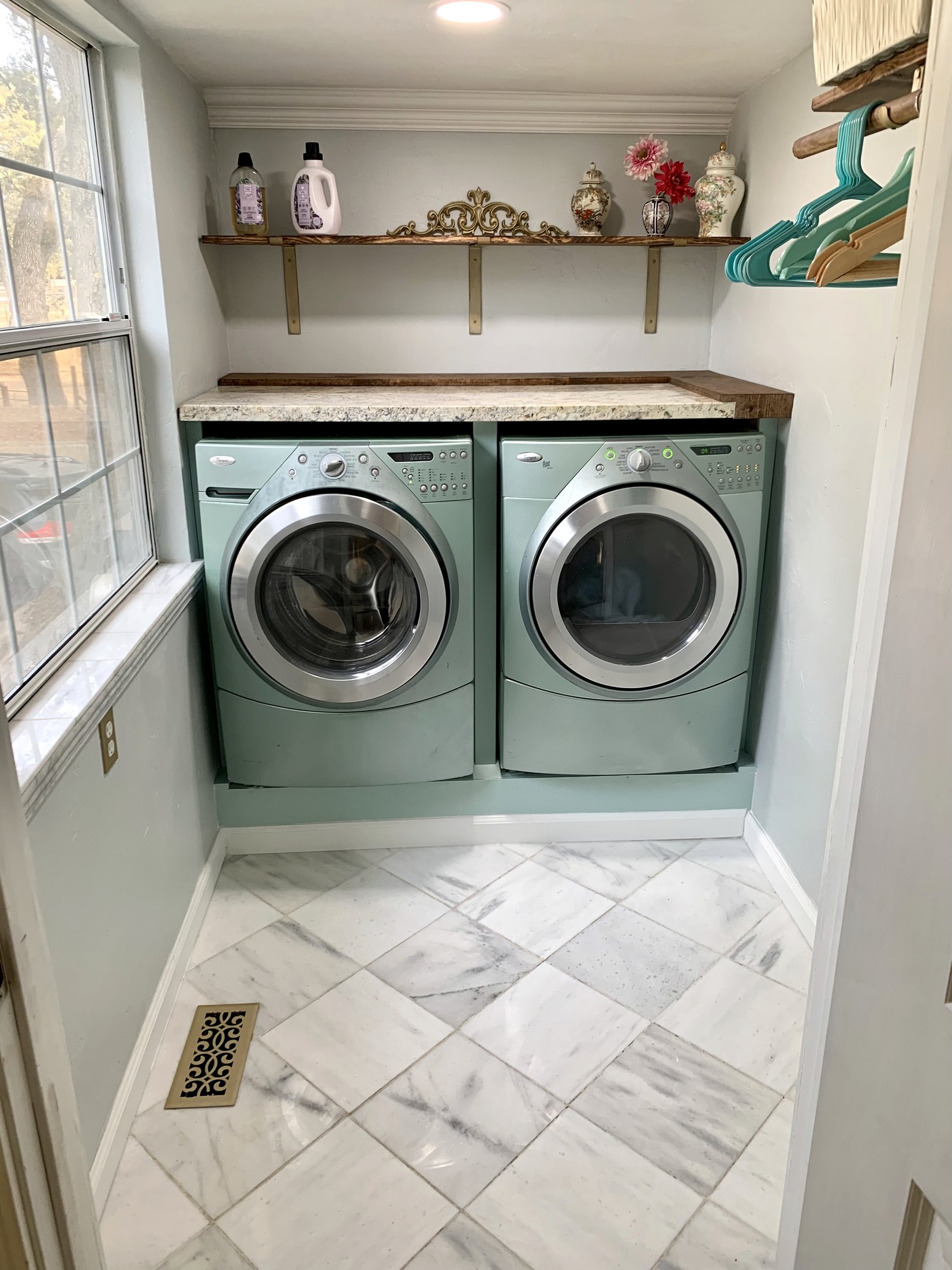
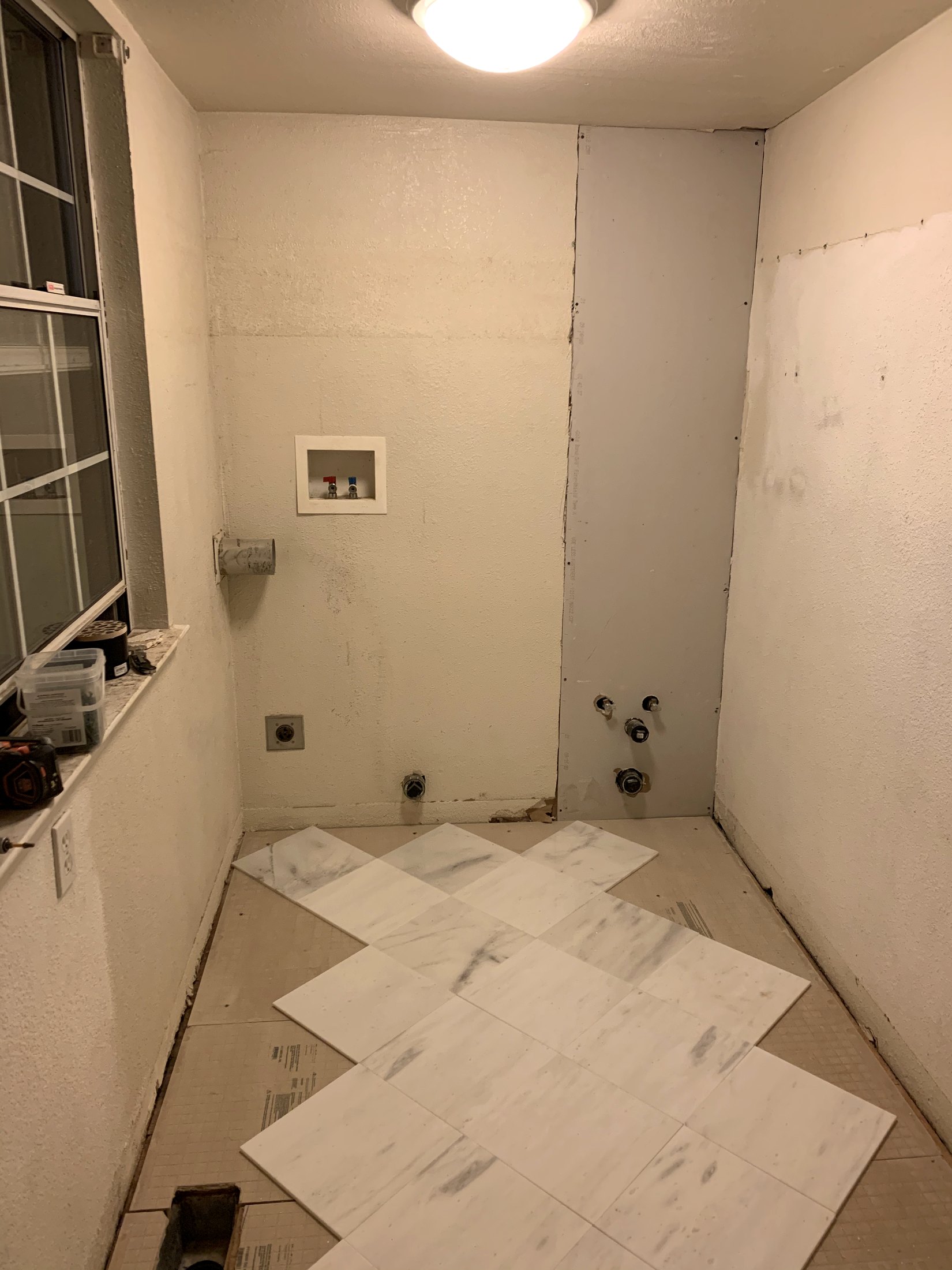
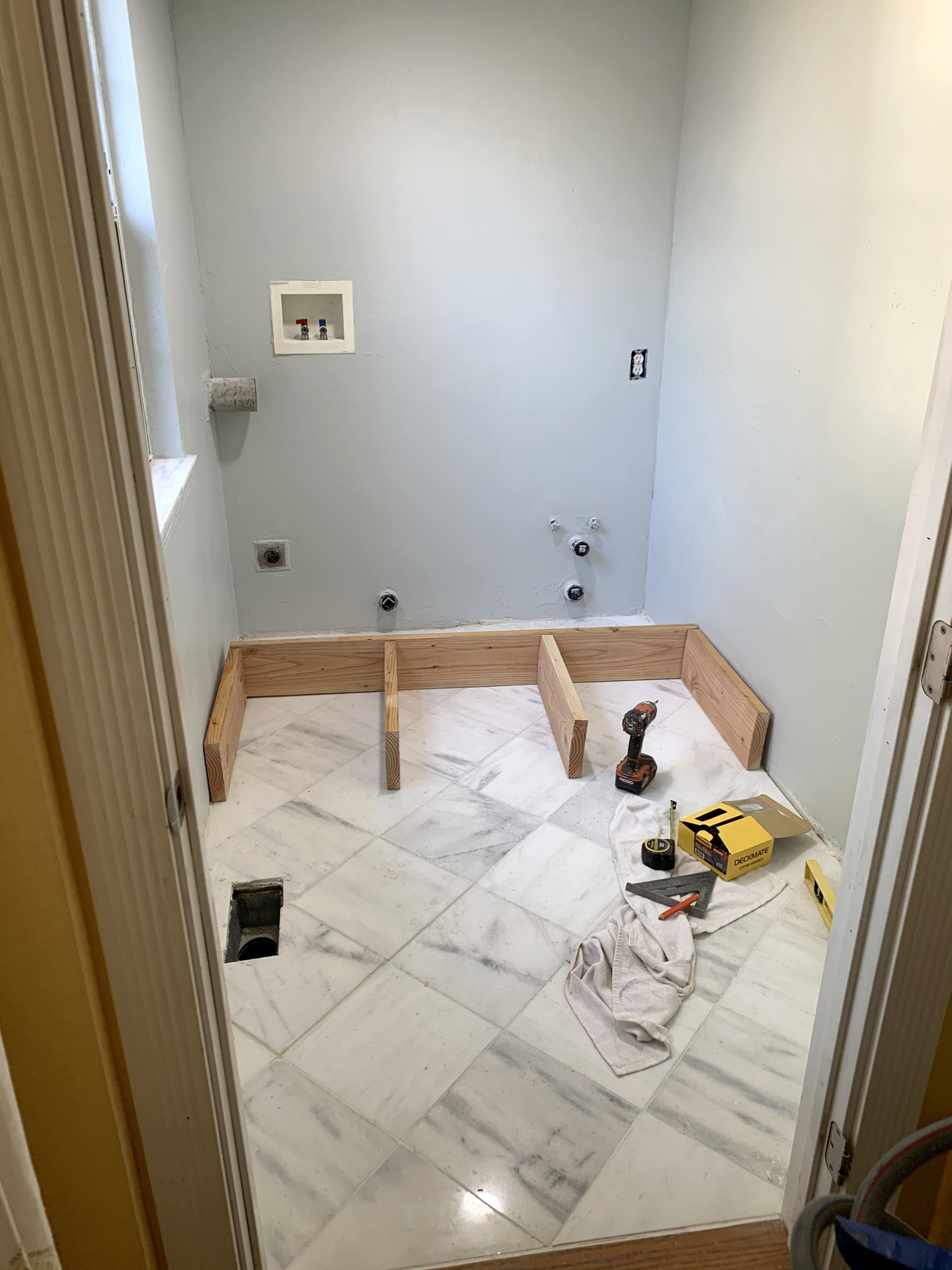
The laundry itself was rebuilt around the work it needed to do. I found a remnant stone slab for the folding surface, but it was not quite large enough. Rather than abandon it, I added wood at the back. The wood completed the depth and closed the troublesome gap where things had once fallen behind the machines.
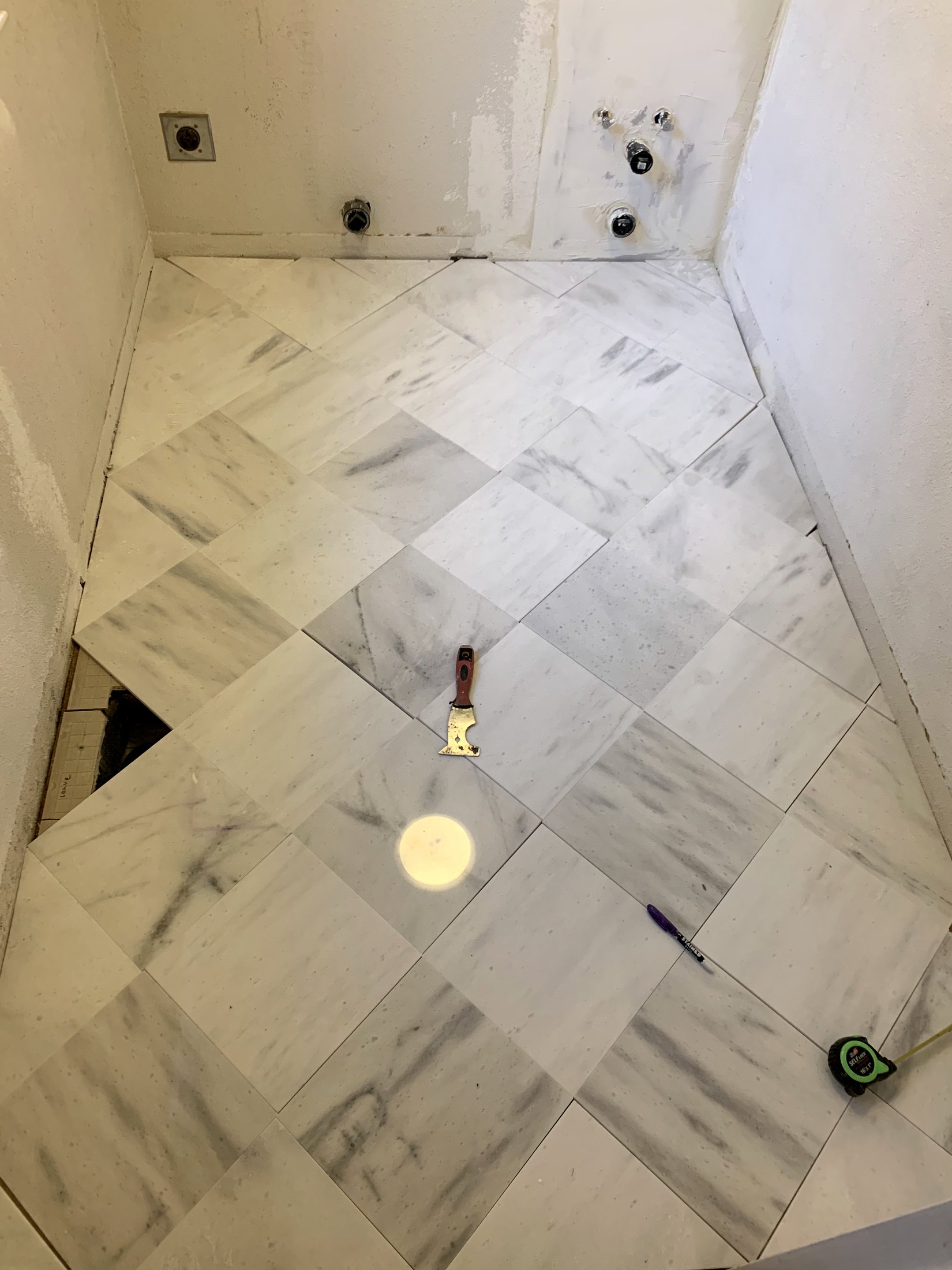
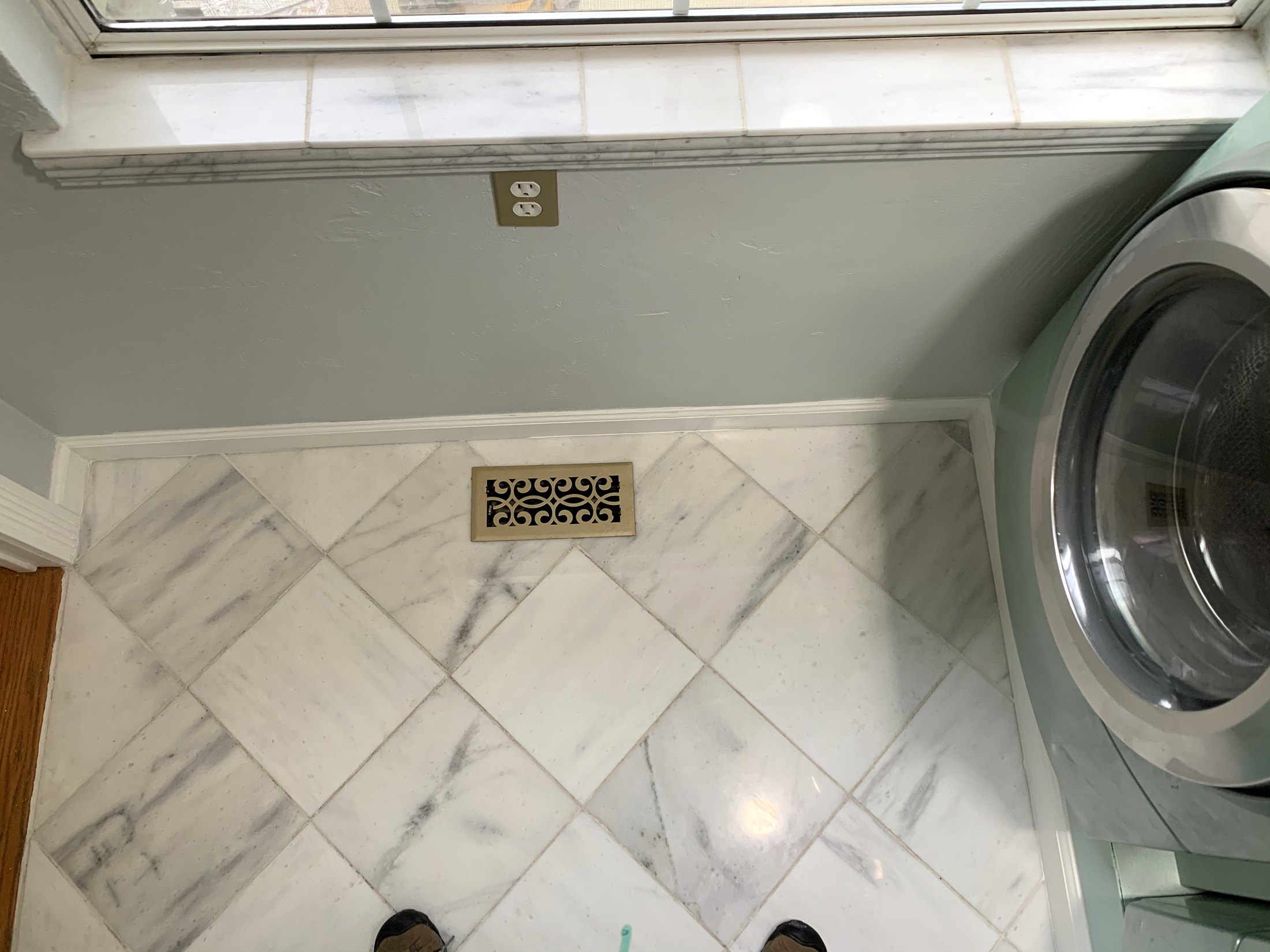
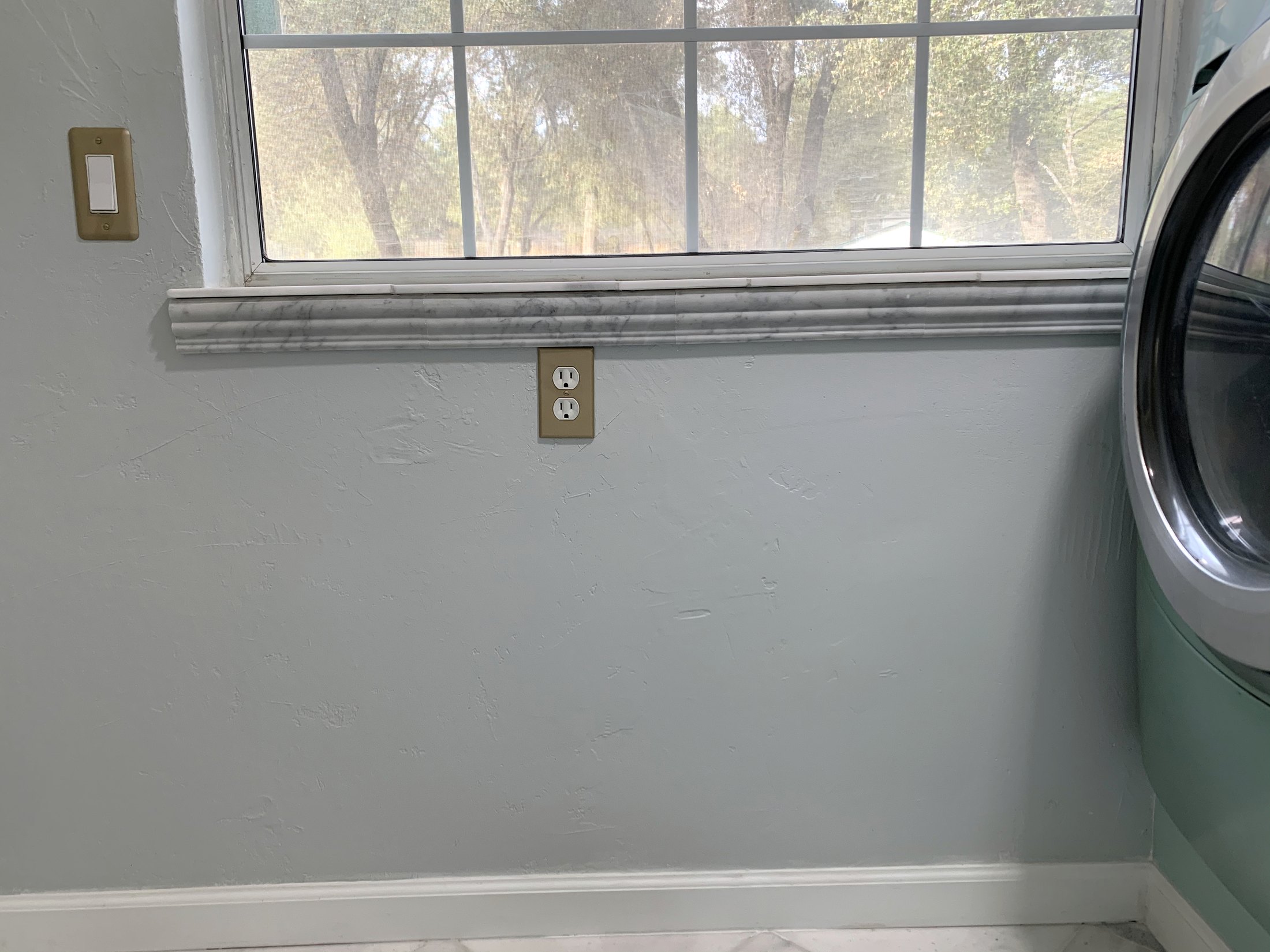
A shelf above the washer created a proper place for soap, which previously had to sit in the window. The marble was carried into the windowsill and the trim below it, allowing the materials to feel connected rather than applied as isolated upgrades. Underfoot, even the floor vent became a considered detail within the marble.
I also removed the modern shelving that was easy to hit your head on and concentrated the hanging space beside the door, where clothing could be reached without having to duck or step underneath it. The result is still unmistakably a working room—but now there is a pleasant place to fold clothes, sensible storage, and enough character to make spending time there feel entirely different.
“Beauty belongs wherever life happens.”
That belief does not begin and end in a formal living room. It belongs in the passage where shoes are removed, the place where market bags land, and the room where a family’s clothes are washed and folded.